
Click here to help toxic disease sufferers
How I Cured Morgellons
|
|
|
|
|
|
John W / Mel John Waiveris - Invisible Gold, LLC. <john@invisiblegold.com> 10/23/2026 12:58:38 AM MST |
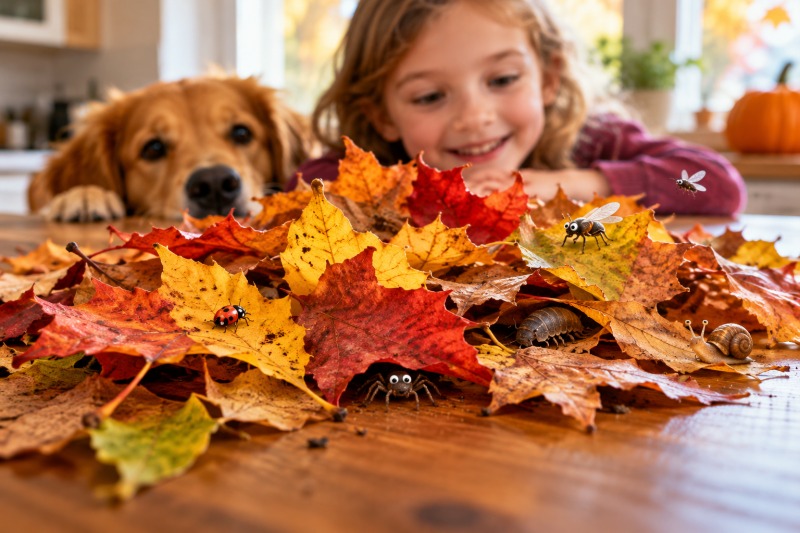
What’s Hiding in That Pile of Leaves? Fall leaves are beautiful. Kids collect them, dogs run through them, and we track them into the house without giving them much thought. But when you bring a handful of leaves inside, the leaves may not be the only things coming with you. Fallen leaves create a perfect little environment for all kinds of life. They hold moisture, begin to decompose, and provide shelter for tiny insects and other organisms. Bugs, larvae and eggs can be so small that you may never notice them when you pick up a colorful leaf from the yard. That’s especially worth remembering when children bring their favorite leaves inside to save for a craft or school project. A pile of leaves sitting on a table or counter can potentially bring some tiny hitchhikers along with it. Why Fall Can Bring More Bugs Indoors As the weather cools, insects naturally look for protected places. Meanwhile, we're closing windows, turning on the heat and spending more time indoors. We're also constantly carrying pieces of the outdoors inside—on shoes, jackets, backpacks, pets and, yes, those beautiful red and orange leaves the kids couldn't leave behind. Damp leaves and other decaying plant material are particularly worth watching. Small flies are attracted to moist organic material, and what looks like a harmless leaf to us can be an entire habitat on a much smaller scale. Keep the Leaves, Not the Hitchhikers You don't have to stop the kids from collecting their favorite leaves. Just give those fall treasures a little attention before bringing them into your living space. Shake leaves off outdoors and inspect them, particularly underneath and around the stems. Avoid bringing in leaves that are damp, moldy or already decomposing. If you're saving leaves for a project, dry them thoroughly rather than leaving a damp pile sitting around. It's also a good time to pay extra attention to entryways, floors and surfaces where leaves and outdoor debris tend to accumulate. And if you've suddenly noticed more little bugs flying around the house, don't just look at the fruit bowl. Check houseplants, drains, garbage and recycling—and take a look at anything recently brought inside from the yard. Fall is supposed to bring beautiful colors into your home. The bugs can stay outside. Use the code MORG18 to get 18% off of your order. | ||||||
John W / Mel John Waiveris - Invisible Gold, LLC. <john@invisiblegold.com> 10/15/2026 12:23:34 AM MST |
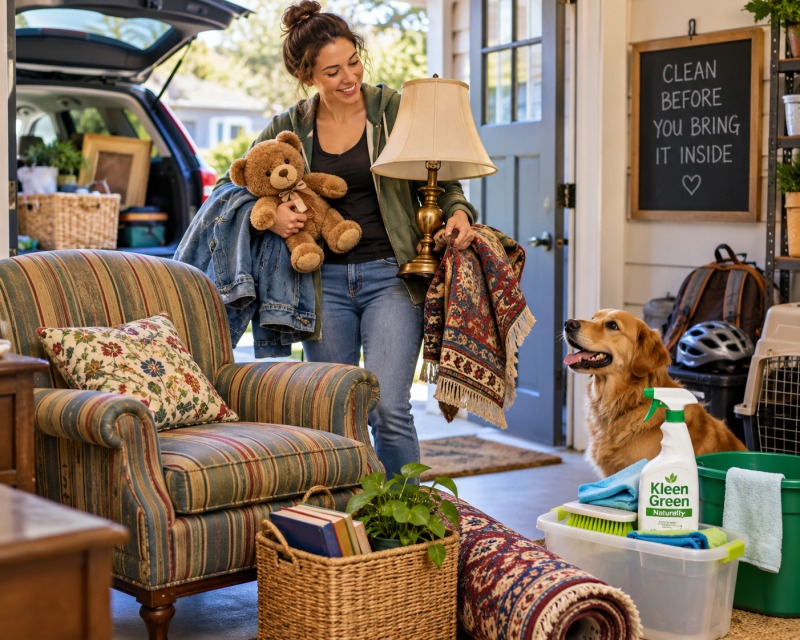
Secondhand Doesn’t Have to Mean Someone Else’s Dirt Thrift stores, yard sales, hand-me-downs, estate sales, and online marketplaces can be great places to find everything from clothing and furniture to toys and sporting equipment. Buying secondhand saves money, keeps useful items out of landfills, and sometimes turns up things you simply can’t find new. But there’s one part of an item’s history you probably don’t want to inherit: someone else’s dirt. A secondhand item may look perfectly clean while still carrying years of accumulated sweat, body oils, food residue, pet dander, dust, odors, and grime. And because you usually don’t know where an item has been or how it was stored, giving it a thorough cleaning before bringing it into everyday use is a smart habit. Start at the Door Before bringing a secondhand purchase straight into your bedroom or living room, take a few minutes to inspect it. Look closely at seams, folds, cracks, pockets, cushions, and the underside of furniture. Check for stains, unusual odors, pet hair, moisture damage, mold, or signs of insects. Clothing and washable fabrics can often go directly to the laundry instead of into a closet or dresser. Hard objects can be wiped down, and furniture can be vacuumed and cleaned before settling into its new home. The goal isn't to be afraid of secondhand things. It's simply easier to deal with a potential problem before you spread it throughout the house. Fabric Holds More Than You Can See A chair, coat, blanket, stuffed animal, or area rug can look clean while holding organic material deep within its fibers. That's especially true for upholstered furniture and other items that can't simply be tossed into a washing machine. Vacuuming is a good first step for removing loose dirt, hair, crumbs, and debris. After that, an enzyme cleaner such as Kleen Green™ Naturally can help clean organic residue on appropriate washable and colorfast surfaces. Enzymes work differently from fragrances designed simply to cover an unpleasant smell. They help break down organic material—the stuff that can remain behind even when a surface looks clean. As with any cleaner, always follow label directions and test an inconspicuous area first, especially with older, delicate, or unknown fabrics. Pay Special Attention to Kids' Stuff Secondhand children's clothing, toys, books, costumes, backpacks, and sporting equipment can be fantastic bargains. They also tend to have had a pretty active previous life. Wash what can be washed. Wipe down hard, nonporous surfaces appropriately. Pay particular attention to things that have been worn against the body, shared between children, stored in basements or garages, or used around food and pets. And don't forget the less obvious spots—helmet padding, backpack pockets, costume hats, stroller fabric, and the bottom of toy bins. Furniture Deserves a Closer Look That beautiful $40 armchair at an estate sale might be a spectacular find, but upholstered furniture deserves more inspection than a wooden end table. Check beneath cushions and along seams. Look underneath the piece and around joints and screw holes. Vacuum thoroughly before cleaning. If you see evidence of bed bugs or another pest infestation, cleaning the visible surface alone isn't an adequate solution. Some problems require proper pest identification and professional treatment. The same principle applies to mold. A little ordinary surface dirt is one thing; significant mold or water damage can be a reason to leave an item behind. Sometimes the best bargain is the one you don't bring home. Don't Forget Secondhand Pet Gear Crates, carriers, pet beds, blankets, leashes, and other used pet supplies deserve a thorough cleaning too. Animals leave behind hair, dander, saliva, body oils, dirt, and plenty of interesting smells. Wash removable fabrics when possible and clean appropriate surfaces before introducing the item to your own pets. Give It a Fresh Start Buying something secondhand doesn't mean your home has to inherit everything that came with it. Inspect it. Vacuum it. Wash what can be washed. Clean the surfaces that can't. And pay a little extra attention to fabrics and hidden areas where dirt and organic residue tend to accumulate. Once that's done, your thrift-store treasure, hand-me-down, or yard-sale bargain doesn't have to feel like somebody else's old stuff anymore. It's yours—and it can start its new life clean. Use the code MORG18 to get 18% off of your order. | ||||||
Glenn 10/13/2026 2:30:18 PM MST | We are pleased to announce a Columbus Day sale extension! Due to unexpected website cart issues via Shopify, we have extended the promotion through Wednesday, 10/14! (midnight pacific) God Bless, Glenn
| ||||||
2026 © All Rights Reserved.