
Click here to help toxic disease sufferers
How I Cured Morgellons
|
|
|
|
|
 | |||||||
8/27/2023 9:50:37 AM |
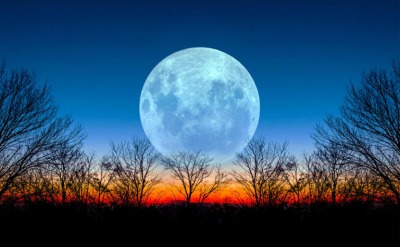
The next full moon will be this Thursday August 31st If you are thinking of using the split dosing approach for your WPS, here are the basic instructions: For three days before and after the full moon peak, you divide your WPS dose in thirds. Regarding whatever drop count you are at, at this time, take drops at 10:30 am, drops at 3:30 pm, and drops at bedtime as usual. You have to be extremely careful to allow the full two hours between your WPS and your other protocol supplements. You need to be precise with your timing, and return immediately to your regular dosing, after the six-day cycle of the full moon (three days before and the three days after). Someone with a scientific background could explain why this works in detail, but basically it seems that by splitting the WPS, you are interrupting the reproduction cycle of the organism which is accelerated during the full moon phase. Allow me to present the super blue moon; Once in a blue moon, we get the pleasure of actually seeing a blue moon. This spectacular celestial sight doesn't happen every year, which makes it an exciting occurrence! Better yet, this August brings a super blue moon. If you are wondering what a blue moon is and when you can see this bright sight we have the full details. What Is a Blue Moon? The modern (and mistaken) definition of a blue moon is the second full moon in a calendar month. Typically, we see one full moon each month, but since the lunar cycle is approximately 29.5 days, and most months last between 30 to 31 days, it is possible for a second viewing of this celestial body to sneak in! However, the traditional definition of a blue moon, now referred to as a 'seasonal blue moon,' is the occurrence of four full moons in a season. What makes this definition complicated is that the seasons begin at the equinoxes and solstices that occur around the 19th-23rd of March, June, September, and December. This can make timing confusing, which is why most people use the modern definition. Fast Fact Ironically, blue moons are not actually blue. This title was coined back in the 16th century and it served as an idiom that meant that something was an absurdity or impossibility. How Often Does a Blue Moon Occur? We have all heard the phrase "once in a blue moon," which means that something is a rare occurrence, but it turns out that blue moons are not as uncommon as the expression has us believe. NASA notes that this phenomenon happens on average every 2.5 years. This means that you can see this lunar sight a good number of times in your lifetime! | ||||||
| |||||||
2026 © All Rights Reserved.