
Click here to help toxic disease sufferers
How I Cured Morgellons
|
|
|
|
|
 | ||||
7/4/2021 4:33:02 PM |
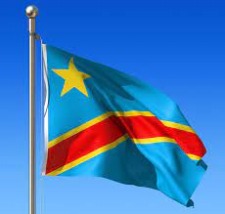
The "Congo", or the "DRC" as it is frequently called, (not to be confused with the country "Republic of the Congo", was called "Zaire" from 1971-1997. In a local African language the word "Zaire" means "great river", referring to the Congo River. The name Congo has origins in the colonial period, when Europeans identified the river with the kingdom of the Kongo people, who live near its mouth. Following the overthrow of Mobutu in 1997, the country’s name prior to 1971, the Democratic Republic of the Congo, was reinstated. The DRC is the second largest country on the African continent after Algeria. The capital, Kinshasa, in the extreme west of the country, is the largest city in Central Africa. Congo is rich in natural resources. It boasts vast deposits of industrial diamonds, cobalt, and copper; one of the largest forest reserves in Africa; and about half of the hydroelectric potential of the continent. Ethnic groups More than 200 African ethnic groups live in Congo; of these, Bantu peoples constitute a large majority of the country’s population. There are around 600 languages or dialects spoken in the country. Population: Congo’s rate of natural increase is among the highest in the world. More than two-fifths of the population is younger than age 15, with some three-fourths under age 30; on the other hand, only a small fraction of the population is 60 or older. The negligible provision of medical care by the state—along with poverty, violence, and endemic disease—has limited life expectancy, which for both men and women is far below the global average. Agriculture, forestry, and fishing Domestic agriculture is the main source of food and income for the majority of the population. Agriculture, animal husbandry, fishing, and forestry combined provide employment for more than three-fourths of the labour force and, on average, account for more than two-fifths of GDP. Although the country is rich in agricultural potential, deterioration of the transportation network and agricultural services since independence have led to a return to subsistence agriculture and a collapse of market production. Foodstuffs such as cereals and fish are imported in increasing amounts. Coffee is the chief agricultural export, although much of it is smuggled out of the country; production of palm oil, rubber, and cotton, once mainstays of the export economy, has become almost negligible. Resources and power The country’s main economic resource is its mineral deposits; mining produces almost nine-tenths of total exports. The abundance of minerals in Katanga province was among those factors that attracted European powers to Congo in the 19th century. Do remember of pray for the people of the Congo (DRC). We welcome the people that found this website and desire that they will find helpful information in their journey towards healing. (source: www.britannica.com/place/Democratic-Republic-of-the-Congo/) | |||
|
2026 © All Rights Reserved.