
Click here to help toxic disease sufferers
How I Cured Morgellons
|
|
|
|
|
 | |||||||
4/30/2026 10:02:22 AM |
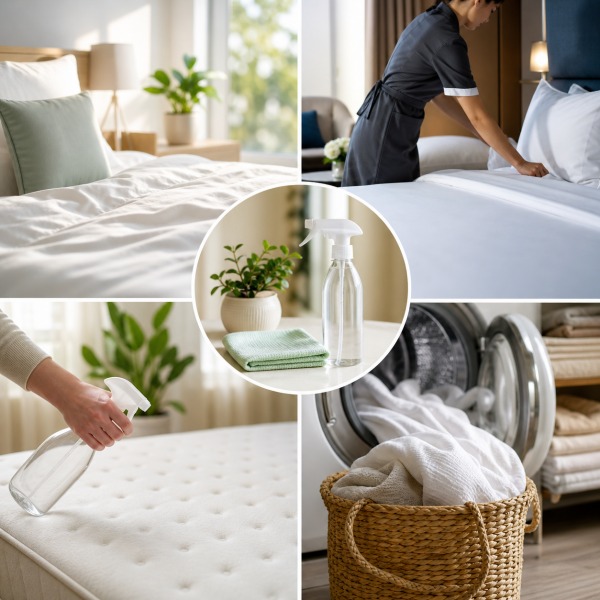
There are a few words that can instantly shift the mood in a home, a hotel, or a facility—and scabies is one of them. It’s the kind of situation that makes people feel uneasy, overwhelmed, and sometimes even embarrassed. But here’s the truth: scabies happens more often than people realize, and it has far more to do with proximity and shared spaces than cleanliness. Whether it shows up in a household, a hotel room, a dorm, or a facility, the key isn’t panic—it’s having a clear, manageable plan. First: Take a Breath—This Is Manageable Scabies spreads primarily through close contact and shared fabrics—things like bedding, clothing, and upholstered surfaces. That’s why it can move quickly in: Homes with multiple family members Hotels with frequent guest turnover Dorms and shared living spaces Facilities where people live or stay in close quarters The instinct when you hear the word is often to go into full “deep clean everything immediately” mode. But in practice, overcomplicating the response can make things harder, not easier. A better approach is consistent, targeted cleaning that you can actually maintain for several days in a row. Why Shared Spaces Make It Trickier In a single home, you can control most variables. In shared or institutional environments, things get more complex: People come and go frequently Surfaces are reused quickly Laundry cycles are constant but not always complete Missed spots can lead to re-exposure This is why outbreaks can feel like they “linger” in places like hotels, dorms, or correctional and care facilities—not because cleaning isn’t happening, but because it’s hard to cover everything, consistently. The Surfaces That Matter Most When dealing with scabies, focus your energy where it counts: Bedding (sheets, pillowcases, blankets) Clothing and towels Mattresses and mattress seams Upholstered furniture (couches, chairs) Carpets and rugs Frequently used soft surfaces A common mistake is thinking that washing laundry alone solves the problem. Laundry is important—but it’s only one piece of the environment. The Problem With “Going Nuclear” When people feel overwhelmed, they often reach for the strongest chemicals they can find. That approach has a few downsides: Harsh fumes in enclosed spaces Skin irritation (especially when people are already sensitive) Difficulty repeating the process daily Not always suited for fabrics and soft surfaces In shared environments, this becomes even more challenging—because staff or residents may be exposed repeatedly. A Simpler, Repeatable Approach What works best in real-world situations—especially in homes and facilities—is a routine that is: Safe enough to use often Simple enough to repeat daily Effective across multiple surface types This is where enzyme-based cleaners can play a helpful role. Instead of relying on harsh chemical action, enzyme cleaners work by breaking down organic material at a microscopic level. That makes them well-suited for: Mattresses and upholstery Fabric surfaces Carpets and rugs Clothing (as a supplement to washing) And most importantly—they can be used again and again without turning your space into a chemical-heavy environment. A Practical Plan You Can Stick To Here’s a calm, realistic approach that works in both homes and shared spaces: Daily for several days: Wash bedding, clothing, and towels in hot water Dry thoroughly using heat Lightly treat mattresses, couches, and soft surfaces Vacuum carpets and upholstered areas Focus on consistency rather than perfection In facilities or shared environments, this same approach scales by: Prioritizing high-contact areas Keeping routines consistent across staff Using products that don’t create additional exposure concerns The Real Goal: Break the Cycle The biggest challenge with scabies isn’t a single cleaning—it’s preventing re-exposure. That’s why the goal isn’t to clean everything perfectly once. It’s to create a routine that: Covers the most important surfaces Can be repeated easily Doesn’t overwhelm the people doing it Bringing It Back to Normal Situations like this can feel disruptive—but they don’t have to stay that way. With a steady approach, the right tools, and a focus on simple, repeatable cleaning, you can move from panic back to normal life faster than you might expect. And in shared spaces—where control is limited—that simplicity isn’t just helpful. It’s essential. Use the code MORG18 to get 18% off of your order. | ||||||
| |||||||
2026 © All Rights Reserved.